
Garhwal Walks
Heritage Walk in Garhwal
Srinagar Garhwal · Uttarakhand
Heritage Walk
Walk through the stories, traditions, temples, and memories that have shaped Srinagar Garhwal across generations.
A cultural exploration with Garhwal Walks into the timeless spirit of Uttarakhand's Garhwal region.
Explore The Story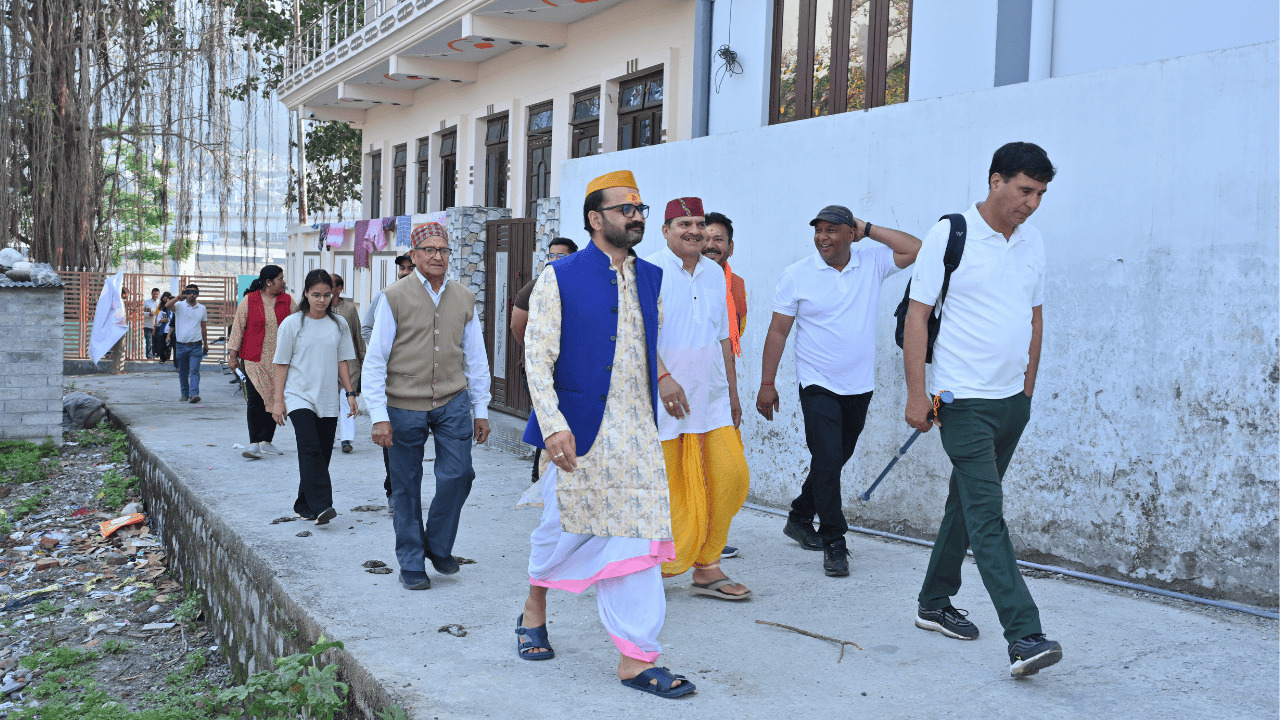
Garhwal Walks
Beyond The Surface
Garhwal Walks in Srinagar Garhwal is a cultural exploration that celebrates the timeless spirit of Uttarakhand's Garhwal region. Nestled in the Himalayas, the walk unfolds stories of resilience, devotion, and harmony with nature.
The Heritage Of Srinagar Garhwal
A Capital That Rose Again.
Srinagar Garhwal has endured cycles of destruction and rebirth. Over the centuries, the town shifted from place to place, repeatedly rebuilt after natural calamities, yet always reclaiming its role as a center of life in the Himalayas.
For generations, Srinagar remained a thriving habitat, its resilience etched into the very fabric of Garhwal's history.
Historians trace its legacy back to the era of the Mahabharata, nearly 2,000 to 5,000 years ago. It is said that Srinagar was once the capital of King Subahu, and when the Pandavas journeyed toward heaven through Badrinath, they rested here as his guests.
Such legends remind us that this town has witnessed countless transformations across millennia.
Sacred texts also preserve its identity. In the Kedarkhand section of the Skanda Purana, Srinagar is referred to as Sri-Kshetra, a name that reflects its spiritual significance.
Centuries Of Change
A Town That Endured
Through changing rulers, natural calamities and political upheavals, Srinagar Garhwal repeatedly rebuilt itself while retaining its importance as the cultural and political heart of the region.
1500 – 1803 AD
Panwar Dynasty
Srinagar served as the capital and seat of Garhwal's kings.
1804 – 1815
Gorkha Rule
The town came under Gorkha control during another important chapter of its history.
British Garhwal
A New Chapter
Srinagar was declared the capital of British Garhwal.
1894
Rebuilt Again
A devastating calamity led to the relocation of Srinagar to higher ground.
Walk · Listen · Discover
Stories Written Into The Landscape
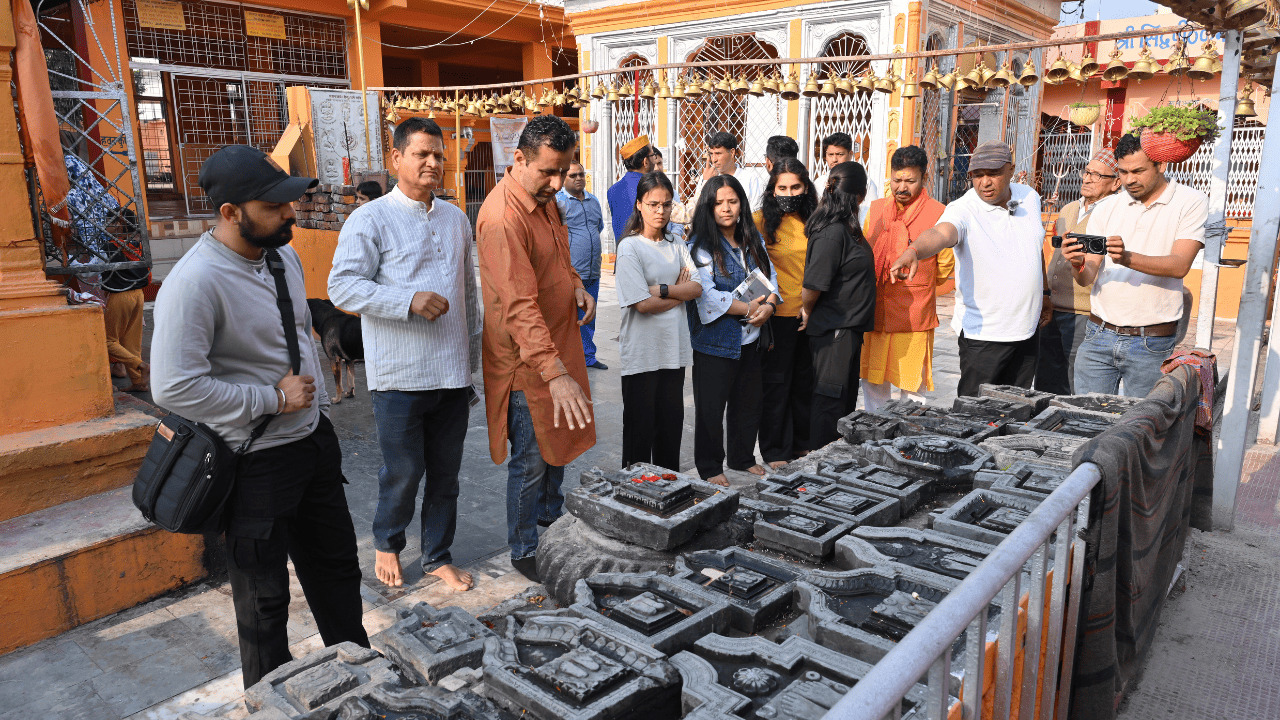
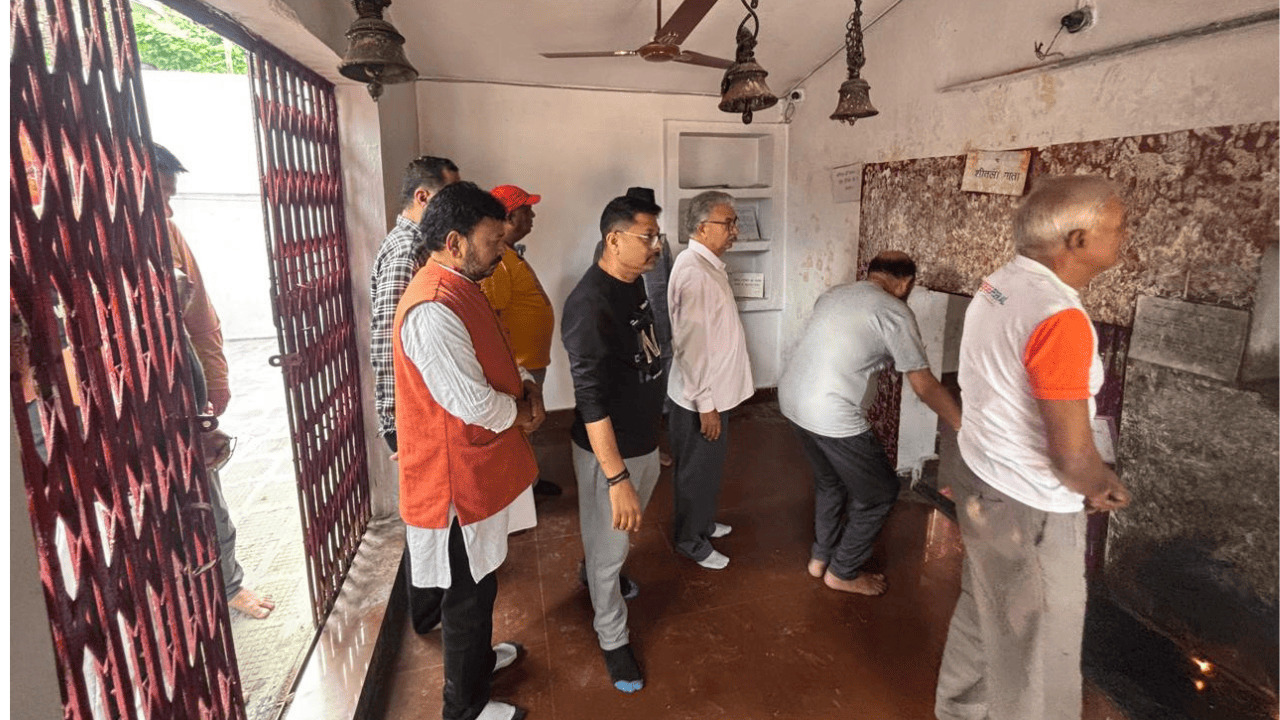
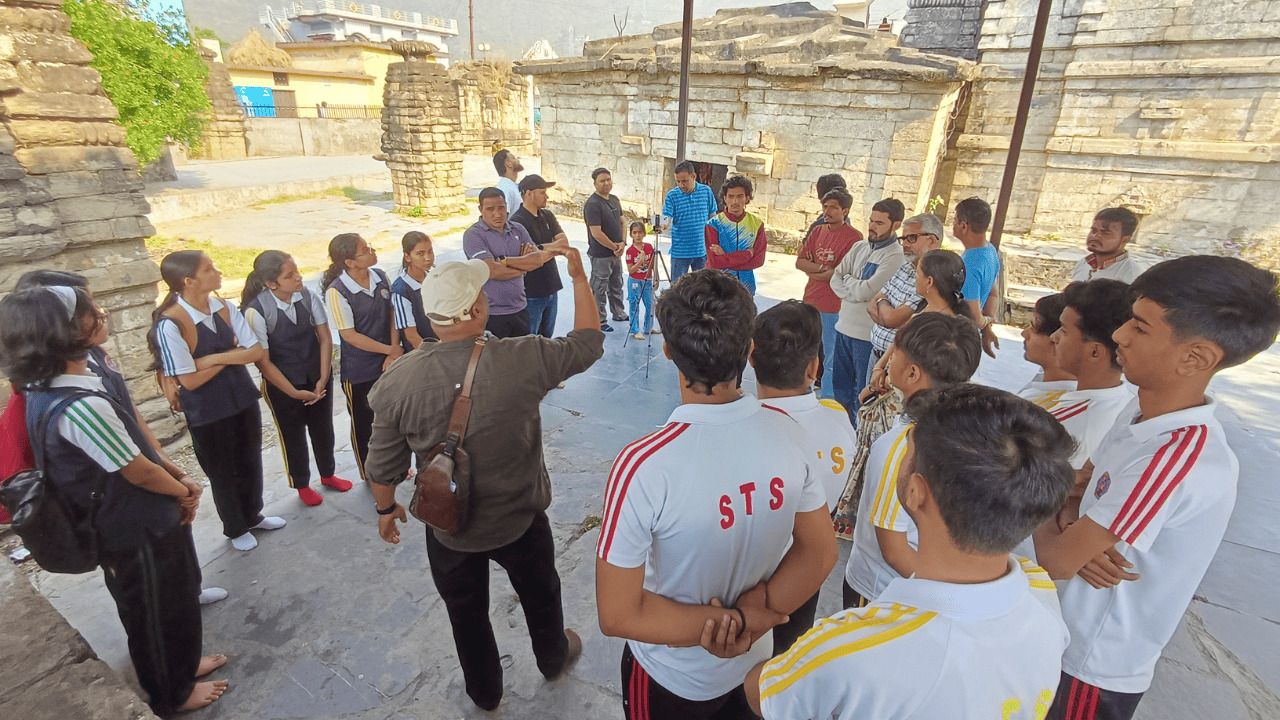
Participants encounter sacred temples, traditional art forms, folk music and living traditions that echo centuries of spiritual connection.
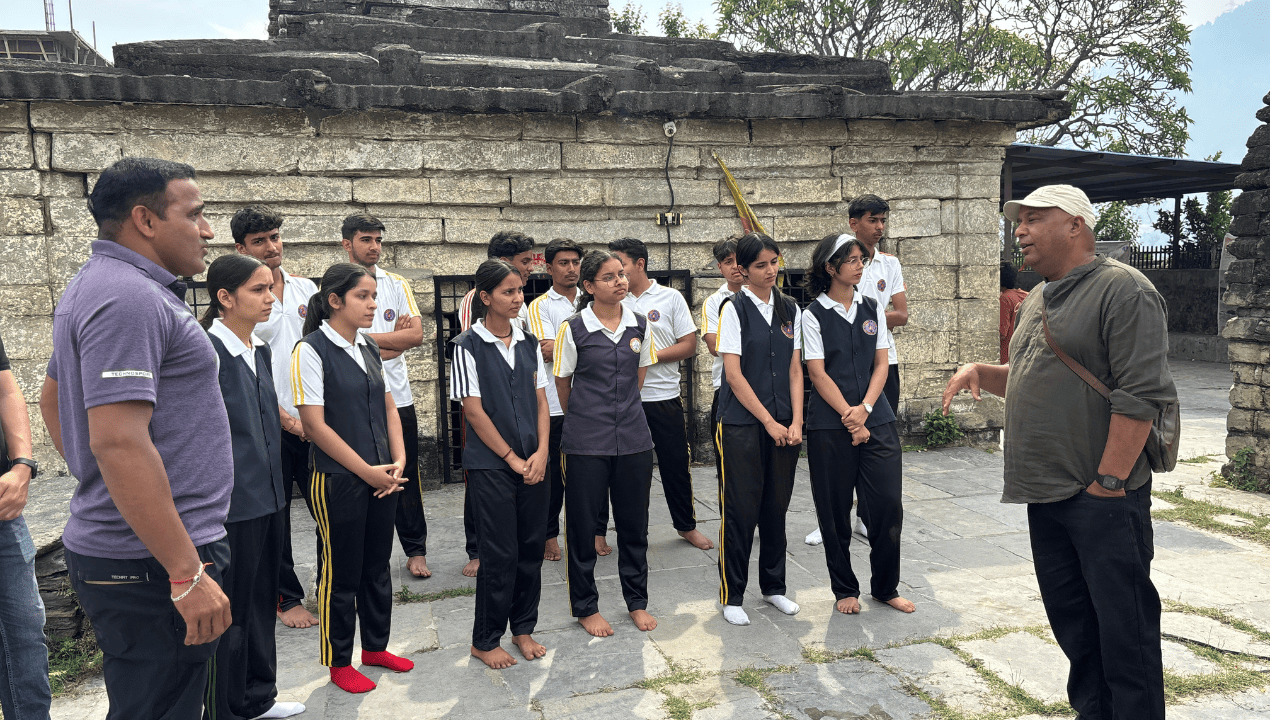
Sacred Spaces
Discover temples and sacred places that have shaped the spiritual landscape of Garhwal.
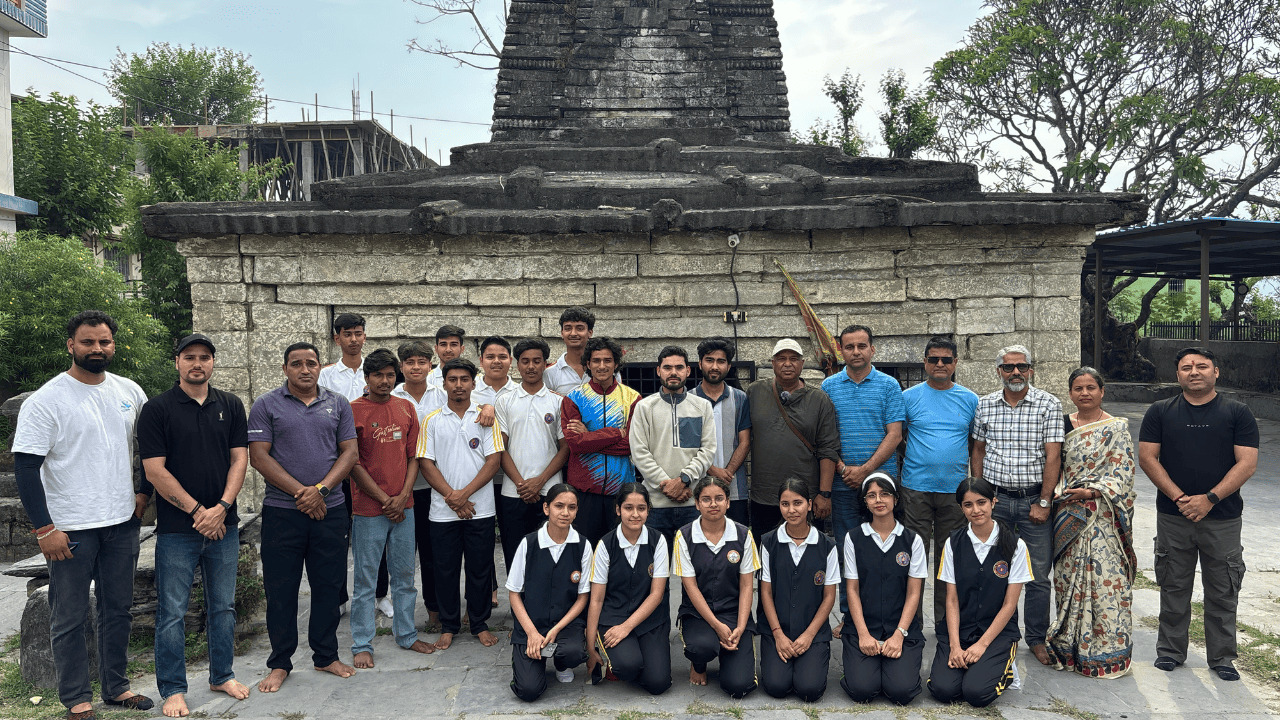
Living Traditions
Experience traditional art forms, customs and practices passed from one generation to another.
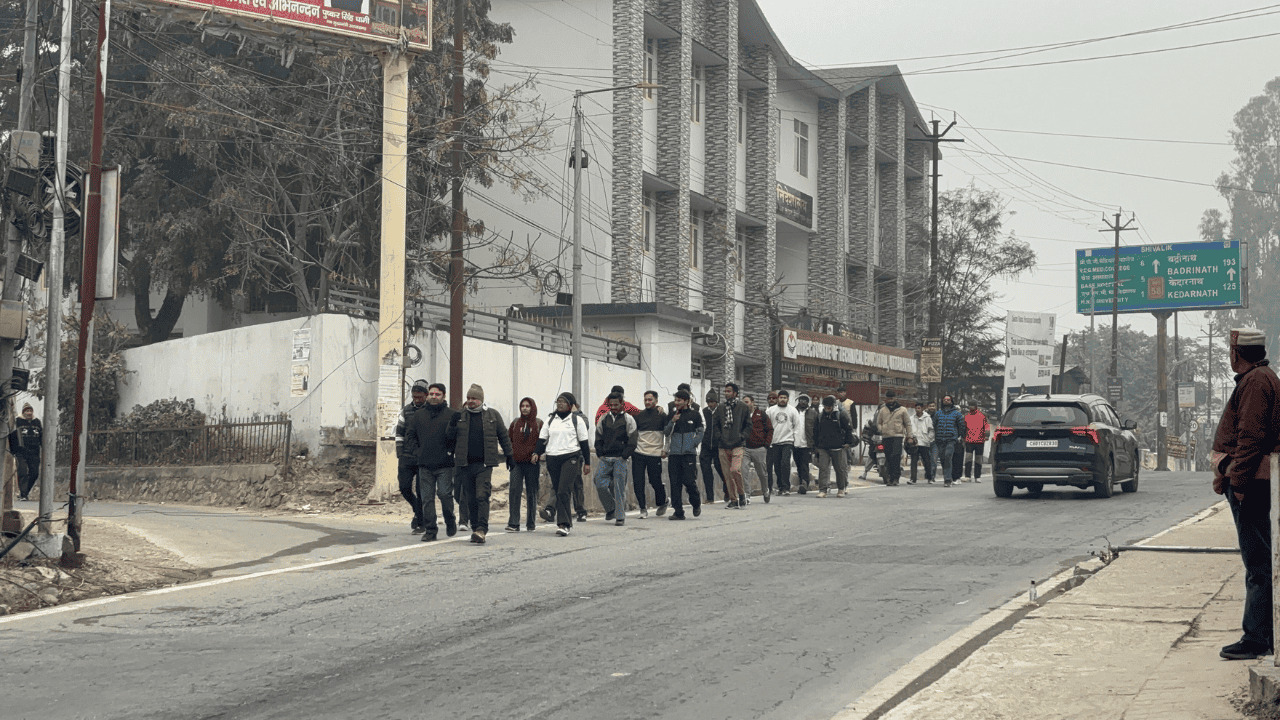
Stories & Music
Listen to local stories and folk traditions that keep the cultural memory of Garhwal alive.
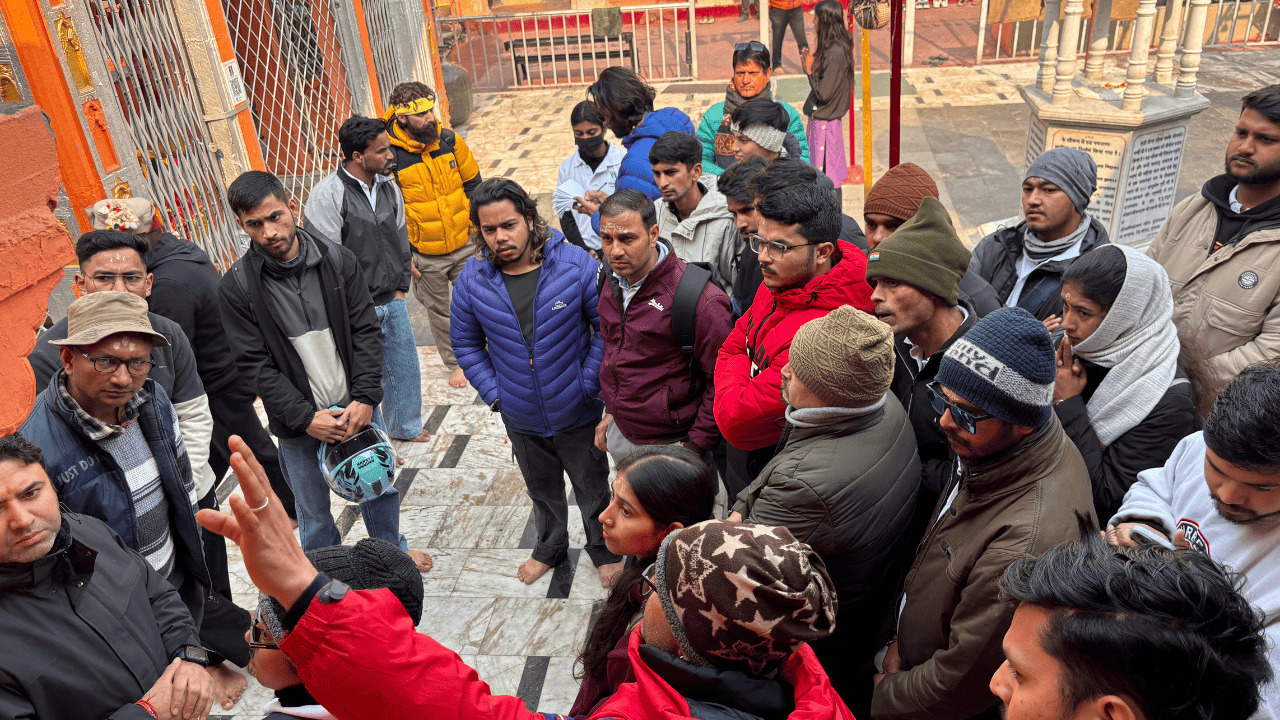
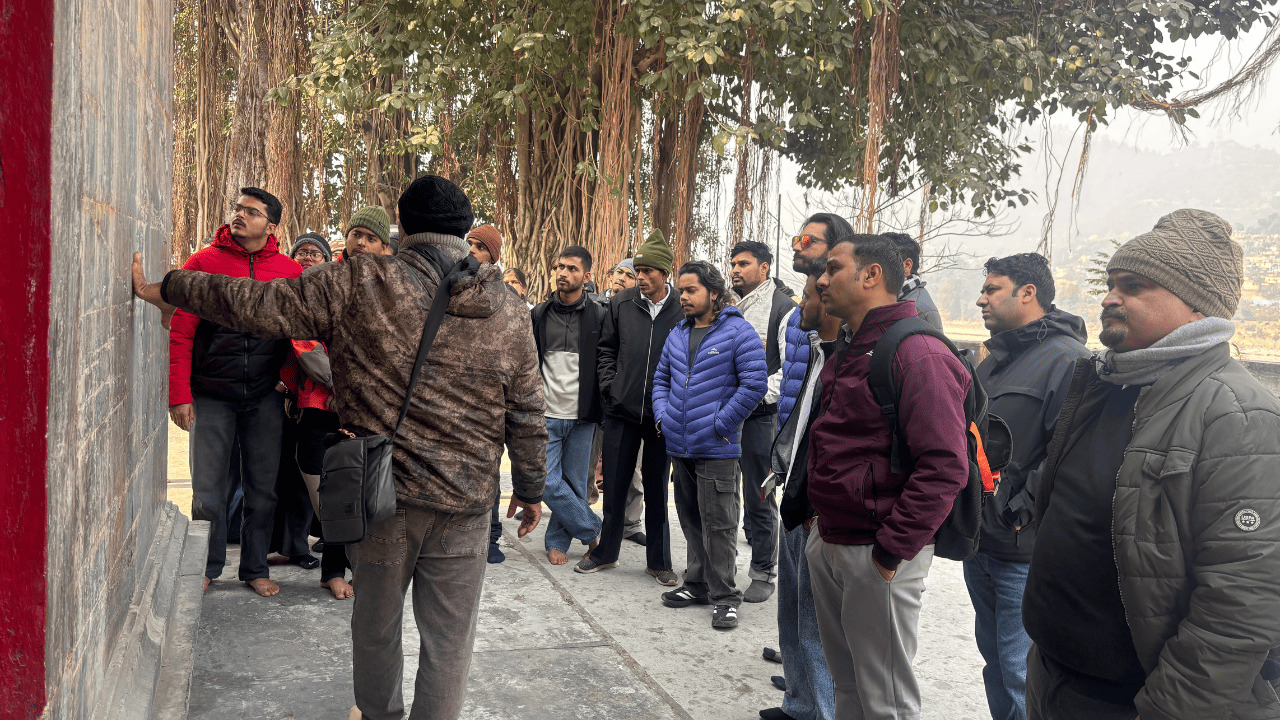
A Resilient Heritage
From Kings To Communities
From 1500 AD to 1803 AD, Srinagar became the capital of the Panwar dynasty, serving as the seat of Garhwal's kings.
Between 1804 and 1815, it was claimed by the Gorkhas, before passing into British hands, when it was declared the capital of British Garhwal.
Through all these upheavals, Srinagar Garhwal remained the political and cultural heart of the region.
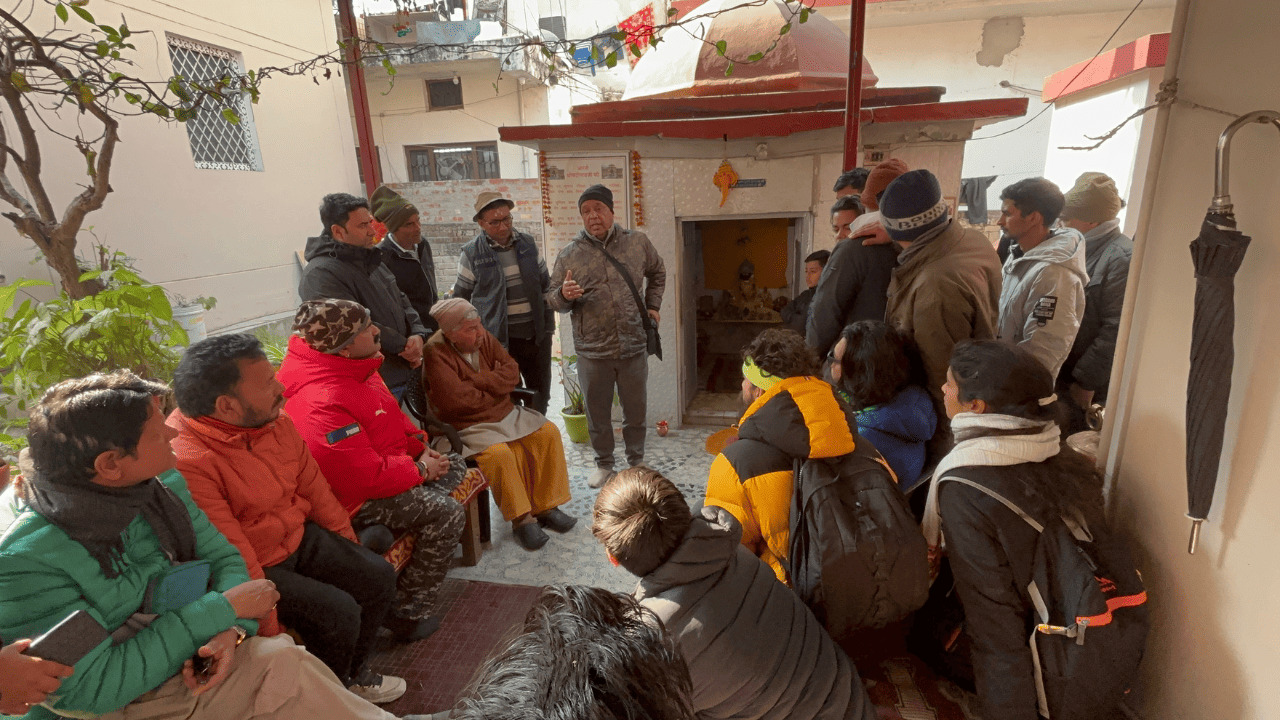
Moments From The Walk
See The Heritage
Every street, temple and gathering reveals another layer of Srinagar Garhwal's living history.
The Spirit Of Srinagar
Heritage Is Not Just What Remains.
It is what continues to live—in stone, wood, music, memory, devotion and the people who call this Himalayan town home.
Though time and nature have altered much of its landscape, Srinagar retains a quiet dignity—its heritage etched in stone, wood, and memory.

